What the Original Game Looks Like When a UK Licence Applies
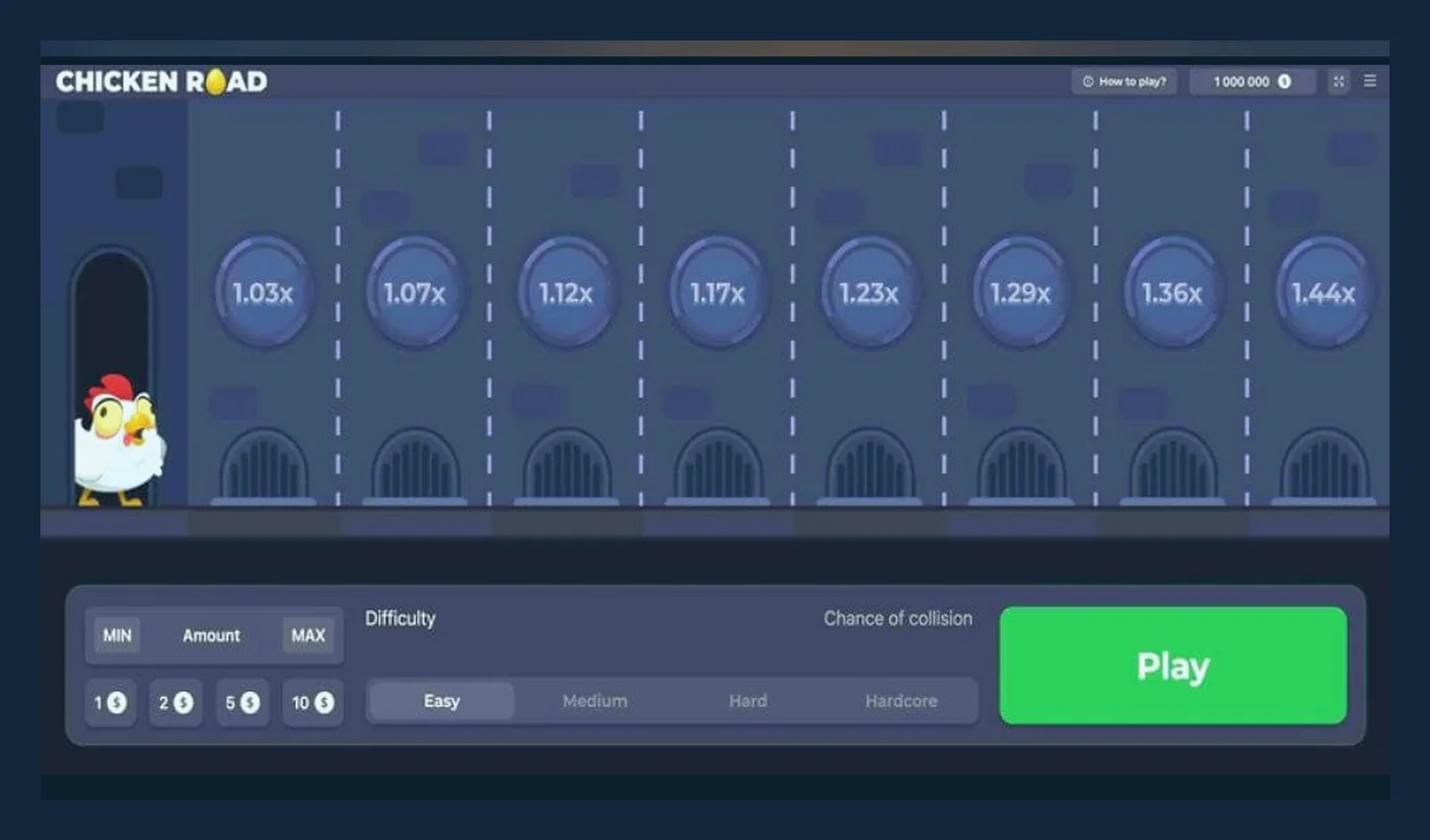
Chicken Road 2 runs on UKGC-licensed sites with hard stake caps—£2.00 per round if you are 18 to 24, £5.00 if you are older—and affordability checks from £150 net deposits a month. The original comes from a studio that holds a B2B certificate; the operator holds the remote licence you see in the footer. Clones circulate without the certification chain, often outside the UKGC register.
This page unpacks how a round works from your seat, what the regulator changes for UK players, the real numbers from the technical sheet, and a ten-second check that you are on the certified version.
Who Made It and How Certification Actually Works
The original Chicken Road 2 was developed by a studio that holds a B2B certificate from a recognised testing lab—usually eCOGRA, iTech Labs, or GLI. That certificate confirms the random-number generator meets fairness standards and the stated return-to-player percentage is accurate. The studio supplies the game to operators, who then need their own UKGC remote licence to offer it to British players.
Your legal protection comes from the operator's licence, not the game's certificate. Look the operator up in the UKGC public register and match the licence number in the footer. If the number is missing or the operator is not listed, the site is unlicensed and illegal to market here. Unlicensed sites sit outside UK consumer protections, dispute resolution, and self-exclusion systems like GAMSTOP.
How a Round Works From the Player's Seat
You choose a stake—capped at £2.00 or £5.00 depending on your age—and press Start. The character moves forward across a grid of tiles. Each tile is either safe or a trap. The outcome of every tile is decided by the RNG at the moment you start the round, not as the character walks; the animation is cosmetic.
You cash out manually at any point. The longer you stay in, the higher the multiplier climbs, but the risk of hitting a trap increases. If you hit a trap, the round ends and the stake is lost. If you cash out before a trap, you collect the stake multiplied by the current value. The tension is entirely timing—there is no skill element or pattern to exploit.
- Set your stake within the caps that apply to your age group.
- Start the round; the RNG determines the entire sequence in that instant.
- Watch the character move tile by tile, multiplier rising.
- Cash out before a trap, or lose the stake if you wait too long.
- Repeat, with the same RNG fairness every time.
The game does not «learn» from previous rounds. Each round is independent. A streak of safe tiles does not increase trap likelihood on the next round, and vice versa.
Real Numbers: Bet Range, Max Win, and What Volatility Means
The technical sheet lists the bet range, RTP, maximum win, and volatility rating. On UK sites, those numbers sit inside regulatory constraints—stake caps by age, and a maximum win cap that some operators apply to comply with safer-gambling frameworks. Here is what the original's tech sheet shows, converted to GBP at typical market rates:
High volatility means the game pays out less frequently but with larger potential wins when it does. In practice, you will see losing streaks. RTP is calculated over millions of rounds; short sessions can swing far from that average. The max win figure is theoretical—the highest multiplier you could cash out at—but reaching it requires both luck and nerve to stay in the round long enough.
Which Clones Circulate and How They Differ
Clones replicate the grid-walking mechanic and the cash-out tension, but they cut corners on certification and fairness testing. The visual design might be nearly identical—same grid layout, same character animation—but the backend RNG is unaudited. Some clones run on unlicensed operators, often targeting jurisdictions with weak enforcement. Others appear on «grey» sites that claim a Curaçao or Costa Rica licence but have no UKGC authorisation.
| Feature | Original (certified) | Typical clone | |
|---|---|---|---|
| RNG audit | Yes, by GLI / iTech / eCOGRA | No independent audit | → |
| Operator licence | UKGC remote licence, in register | Often unlicensed or offshore | → |
| Stake caps by age | £2 / £5 enforced at account level | No caps or unenforced | → |
| GAMSTOP link | Yes, mandatory | Not connected | → |
| Dispute route | UKGC ADR via IBAS or similar | None or unenforceable | → |
Clones also appear as rebranded versions on white-label platforms. The game might carry a different name—«Chicken Run», «Rooster Road»—but use the same grid and cash-out logic. Without the certification chain, there is no way to verify the RTP or confirm the RNG is fair. Player funds sit outside UK banking protections, and if a dispute arises, you have no recourse through the UKGC or its approved ADR providers.
Ten-Second Check You Are on the Original
Open the site footer. You should see a UKGC licence number and a logo linking to the register. Copy the number, go to the UKGC public register, and search. If the operator appears and the licence is active, the site is legitimate. If the number is missing, mislabelled, or the operator is not listed, close the tab.
- Footer: UKGC licence number present, matches the register entry.
- Game info screen: studio name, B2B certificate reference, and RTP shown.
- Account limits: stake caps of £2.00 or £5.00 applied automatically by date of birth.
- GAMSTOP mention: present in the safer-gambling section.
- Payment methods: debit cards, PayPal, Trustly, Apple Pay—no credit cards since the 2020 ban.
Unlicensed clones skip the UKGC registration and often the age-verification step. They may accept credit cards, offer stakes above £5.00, and lack GAMSTOP integration. That is the clearest tell.
FAQ
Why does the stake cap change with age?
The UKGC introduced separate caps in response to higher gambling-harm rates among younger adults. Players aged 18 to 24 face a £2.00 per-round limit on slots and similar high-volatility games; players 25 and older can stake up to £5.00. The operator checks your date of birth during account verification and applies the correct cap automatically.
What happens if I deposit more than £150 in a month?
Operators must run affordability checks from £150 net deposits a month. At the first stage, they use credit-reference data to assess your income and financial commitments. If the check raises concern, they may ask for payslips, bank statements, or tax returns. If you cannot provide them or the checks suggest the deposits are unaffordable, the operator can limit your deposits or close your account.
Can I play Chicken Road 2 in demo mode without depositing?
Most UKGC sites offer demo play, but you need to log in and verify your age first. Free play without registration is rare on licensed operators because the UKGC requires age checks before any gambling activity, including demos. Once verified, you can usually switch between demo and real-money modes from the game lobby.
How long does the first withdrawal take?
The first withdrawal triggers KYC checks—proof of identity, address, and sometimes source of funds. Expect 24 to 48 hours for document review. After that, e-wallet withdrawals take a few hours to 24 hours; Faster Payments to your bank account take the same day to two working days; debit-card returns take one to three working days. Subsequent withdrawals are faster because the checks are already done.